

A Comparative Analysis of Sustainable Brand Efforts and Communications
Gymshark vs. NAGNATA
The Ask:
Tasked with evaluating two fashion brands to determine whether they meet the transparency and sustainability standards outlined in the current Sustainable Development Goals (SDGs).

Florence, Italy
Applied Skills:
SUPPLY CHAIN Analysis
QUANTITATIVE & QUALITATIVE Analysis
TRANSPARENCY Analysis
BENCHMARKING & GAP Analysis
BRAND Positioning
Process:
BRAND Research
2. PLAYBOOK PRINCIPLE Analysis
3. SDG Analysis
4. FULL Synopsis
This case study was completed in collaboration with my study abroad classmate, Norah. We focused our research on the athletic sector’s heavy reliance on synthetic fibers and the environmental challenges associated with their production and use, driven by our shared passion for natural fibers and our commitment to promoting more sustainable athletic wear.
A Collaborative Effort

-Anja Rozen, International Plakat Miru Competition
1. Brand Research
Key findings identified from the websites -

Gymshark
Performance-Driven
Innovative Designs
Mass Market Appeal
Fast Fashion Model
-Gymshark

NAGNATA
Sustainably Minded
Ethical Production
Excellent Transparency
Slow Fashion Model
-NAGNATA
2. Playbook Principle Analysis
A guide to aligning fashion communication with climate and sustainability goals -
To evaluate each athletic brand comprehensively, we developed a synopsis grounded in the Eight Fashion Playbook Principles, assessing how well each brand aligned with the framework’s expectations for information, transparency, cultural responsibility, and advocacy. Our analysis revealed that Gymshark demonstrates limited transparency and frequently makes sustainability-oriented claims without providing clear evidence, ultimately adhering to a predominantly linear production model. In contrast, NAGNATA satisfies most of the principles; however, its premium pricing structure may make the brand less accessible to a wider consumer base despite its stronger commitment to sustainable practices.
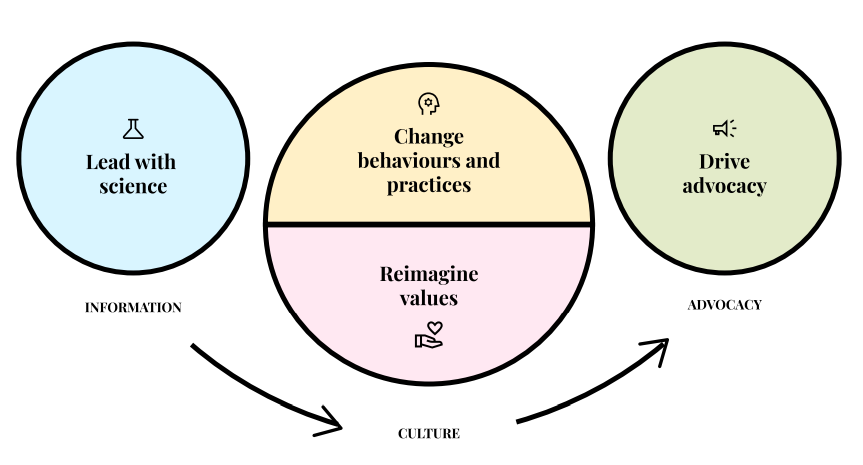
-UN Environment Programme
Claims vs. Confirmed
3. SDG Alignment
Gymshark’s Public Goals -
Currently, there is little evidence to demonstrate that these benchmarks are being met.



NAGNATA’s Public Goals -
NAGNATA clearly identifies the actionable steps it is taking toward its SDG objectives and supplements these claims with relevant supporting data.

4. Final Synopsis

Outcomes
Outcomes
Sustainability Benchmarking
Heightened Critical Awareness
Supply Chain Analysis